A 68-year-old man is alert and speaking in full sentences. His pulse is irregular, 156–172/min; blood pressure 110/72 mmHg.
Authored history
Palpitations were noticed six hours ago, but exercise tolerance has been worse for two weeks. The last documented sinus rhythm was three months ago. The true rhythm onset is uncertain.
Write your next question. Then compare it with the prepared history.
You have studied it. Now put it into practice.
A familiar page can feel very different from an unfamiliar patient. Under pressure, where do you start? Practise making your reasoning explicit, without making a real patient your practice case.
From recognising an answer to choosing a next step.
From isolated facts to a whole evolving case.
From moving on after a mistake to reviewing why it happened.
02 / Multiple-choice reasoning
A different case. One decision to examine.
Postoperative case: a 64-year-old man develops breathlessness 12 days after abdominal surgery.
These teaching examples use UK NICE sources. Independent clinical review is pending.
Fixed teaching explanation, not advice for a real patient. Contraindications or imaging delays change the pathway. No treatment or dose is determined here.
Read the information. Keep the bigger picture.
Practise connecting the history, examination and investigations. Explore four types of prepared teaching imagery, alongside a real recorded ECG.
STEMI recognition · 12-lead ECG
Recorded acute inferolateral infarction reference. Compare all twelve leads, zoom for detail and replay lead II.
STEMI recognition teaching example. Independent clinical morphology review is pending.
PTB-XL 1.0.3 · 500 Hz · 10 s · 25 mm/s · 10 mm/mV · PhysioNet · CC BY 4.0
Synthetic teaching examples
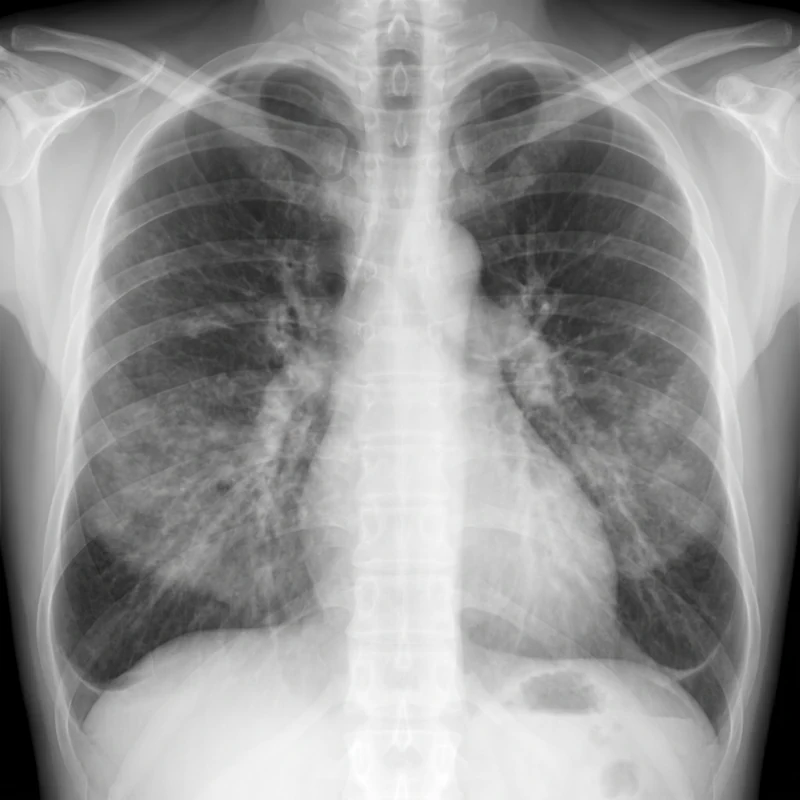
X-ray · chest view
Read a projection image and consider what you need to ask next.
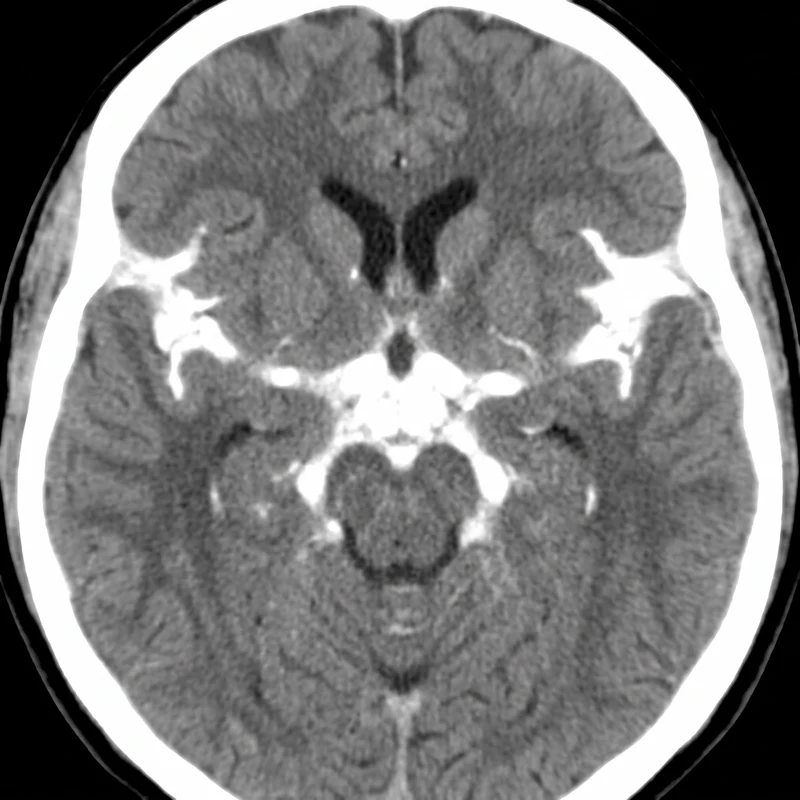
CT · selected slice
Look at a cross-section, then put it in the context of the history and report.
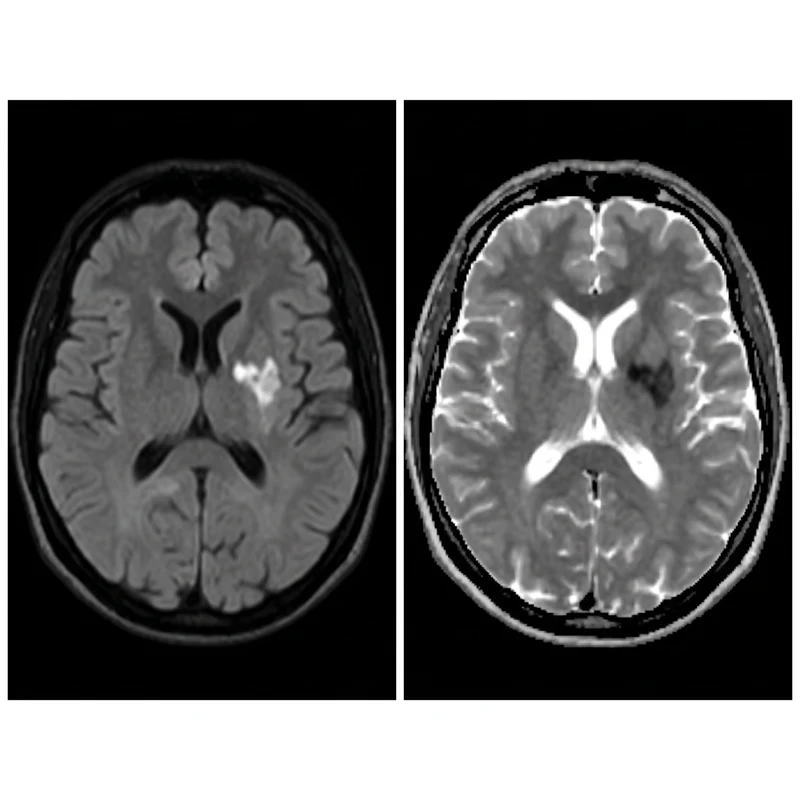
MRI · selected slices
Explore the two prepared teaching panels together.
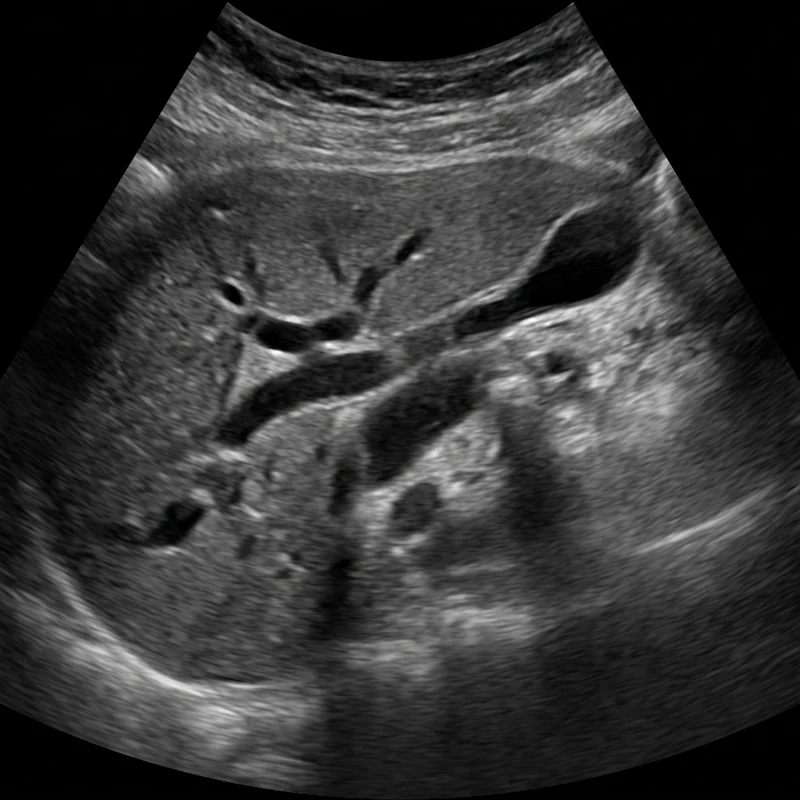
Ultrasound · still image
Explore a B-mode teaching image and the questions it raises.
Train across clinical contexts.
Nine clinical case types to help you revisit familiar topics and rehearse less familiar situations.
Anaesthesia
Emergency medicine
Intensive care
Internal medicine
Cardiology
Neurology
Surgery
Trauma
Obstetrics / Gynaecology
For the next stage of your clinical learning.
Medical students
Connect what you learn to the questions you would ask in a case.
Resident doctors
Rehearse your reasoning and review decisions alongside supervised training.
Practising clinicians
Return to unfamiliar scenarios and make room for deliberate reflection.
MDnexa Simulator
Eğitim akışı
Teoriyi bilmek başka, uygulamak başkadır.
01
Bir sonraki adımı uygulamak için bir alan.
Hasta sunumunu ve olguyla sağlanan bulguları okuyun.
Hasta sunumu
Bulgular
Klinik bağlam
02
Eylemlerinizi seçin
Sonraki sorunuzu veya eyleminizi serbest metinle yazın. Yeni bilgileri izleyin ve kararlarınızı değerlendirin.
Serbest metin
Takip bulguları→Sonraki karar↻
03
Vakayı değerlendirin
Olguyu bitirin; değerlendirmeyi, gerekçelerinizi ve alternatifleri gözden geçirin. Kaçırdığınız noktalar için güvenilir kaynaklara başvurun.
✓Kararların
✓Gerekçeler ve alternatifler
✓Ülke kılavuzları
Mevcut simülatör: serbest metin olguları. Bu sayfadaki çoktan seçmeli, EKG ve görüntü örnekleri ayrı eğitim gösterimleridir.
Keep studying. Add active case practice.
MDnexa complements textbooks, teaching and supervised clinical experience. It does not replace any of them.
Keep studying. Add active case practice.
Learning task
Studying and teaching
Add MDnexa case practice
Build knowledge
Read, discuss and understand the evidence.
↗ Apply that knowledge in a fictional case.
Make decisions
Work through explanations and worked examples.
↗ Choose your next question or action.
Review reasoning
Use teachers, peers and trusted references.
↗ Review the case debrief and your recorded decisions.
Develop in practice
Learn with supervision and real clinical responsibility.
↗ Rehearse separately, with no real patient involved.
Make room for a daily rehearsal.
Set aside 10–15 minutes for your next practice session. A complete case may take longer.
1
Open a case
Pick a context you want to practise.
2
Make your reasoning visible
Ask, choose and reflect rather than only rereading.
3
Take one point forward
Review the debrief; return to what you missed.
See what you would like to work on next.
Completed cases and debrief ratings give you something concrete to return to. Choose one point to improve, then carry it into your next case.
What did I miss, and why?
Which next step can I explain more clearly?
What will I practise differently in the next case?
Build a more deliberate practice habit
Reflect 1Reflect 2Reflect 3
Confidence (self-rated)Uncertainty (self-rated)
Illustrative learning journey, not measured results.
A few useful answers before you start.
What do I actually practise?
Asking questions, working through a case and choosing your next step. Use the debrief to revisit your reasoning, not just the final answer.
How can I review my practice?
Return to completed cases and debrief ratings. Compare your decisions with the feedback, pick one learning point and make it the focus of another session.
Where do I start?
Choose your language and country, then select the training button to set up your case. Make room for 10–15 minutes; a full case may take longer.
Almanya, İtalya, Yunanistan, Brezilya ve Kıbrıs’taki doktorların güveni
Feedback on MDnexa
Ders kitaplarından gerçek pratiğe geçiş, özellikle belirli bölgesel kılavuzları bulmanın zor ve zaman alıcı olduğu durumlarda büyük bir zorluktur. Yoğun klinik ortamda, karmaşık öyküsü olan bir hastaya uygun protokolleri aramak için çoğu zaman zamanınız olmaz.
Bu uygulama, yerel kılavuzları saniyeler içinde erişilebilir kılarak bu boşluğu kapatır. Klinik kararlarımı hastanın profiline uygun ilgili protokollerle doğrulamak için son derece verimli bir araç olarak hizmet eder. Kariyerine yeni başlayan her doktor için hem vazgeçilmez bir zaman tasarrufu hem de harika bir eğitim kaynağıdır.
Alina BronnikovaUzm. Dr., Çocuk ve Ergen PsikiyatrisiKıbrıs
Ortopedi ve travma cerrahı olarak nöbetlerim sırasında, hızlı karar almayı gerektiren akut durumlarla sıklıkla karşılaşıyorum. MDnexa, karmaşık tanı kriterlerine, travma protokollerine ve uygun ilaç dozlarına hızlı erişim ve doğrulama için paha biçilmez bir araç olduğunu kanıtladı - tümü son derece yapılandırılmış ve okunması kolay bir biçimde sunuluyor. Özellikle yüksek basınçlı gece nöbetlerinde bilişsel yükümü önemli ölçüde hafifletiyor. Acil ve akut bakım ortamları için gerçek bir devrim.
DGDesislava GergovaUzm. Dr., Ortopedi ve Travma CerrahisiAlmanya
Your next patient should not be your first rehearsal.
Make clinical case practice part of your learning. Fictional patients. Space to think. A reason to return.


 Alina Bronnikova