A 68-year-old man is alert and speaking in full sentences. His pulse is irregular, 156–172/min; blood pressure 110/72 mmHg.
Authored history
Palpitations were noticed six hours ago, but exercise tolerance has been worse for two weeks. The last documented sinus rhythm was three months ago. The true rhythm onset is uncertain.
Write your next question. Then compare it with the prepared history.
You have studied it. Now put it into practice.
A familiar page can feel very different from an unfamiliar patient. Under pressure, where do you start? Practise making your reasoning explicit, without making a real patient your practice case.
From recognising an answer to choosing a next step.
From isolated facts to a whole evolving case.
From moving on after a mistake to reviewing why it happened.
02 / Multiple-choice reasoning
A different case. One decision to examine.
Postoperative case: a 64-year-old man develops breathlessness 12 days after abdominal surgery.
These teaching examples use UK NICE sources. Independent clinical review is pending.
Fixed teaching explanation, not advice for a real patient. Contraindications or imaging delays change the pathway. No treatment or dose is determined here.
Read the information. Keep the bigger picture.
Practise connecting the history, examination and investigations. Explore four types of prepared teaching imagery, alongside a real recorded ECG.
STEMI recognition · 12-lead ECG
Recorded acute inferolateral infarction reference. Compare all twelve leads, zoom for detail and replay lead II.
STEMI recognition teaching example. Independent clinical morphology review is pending.
PTB-XL 1.0.3 · 500 Hz · 10 s · 25 mm/s · 10 mm/mV · PhysioNet · CC BY 4.0
Synthetic teaching examples
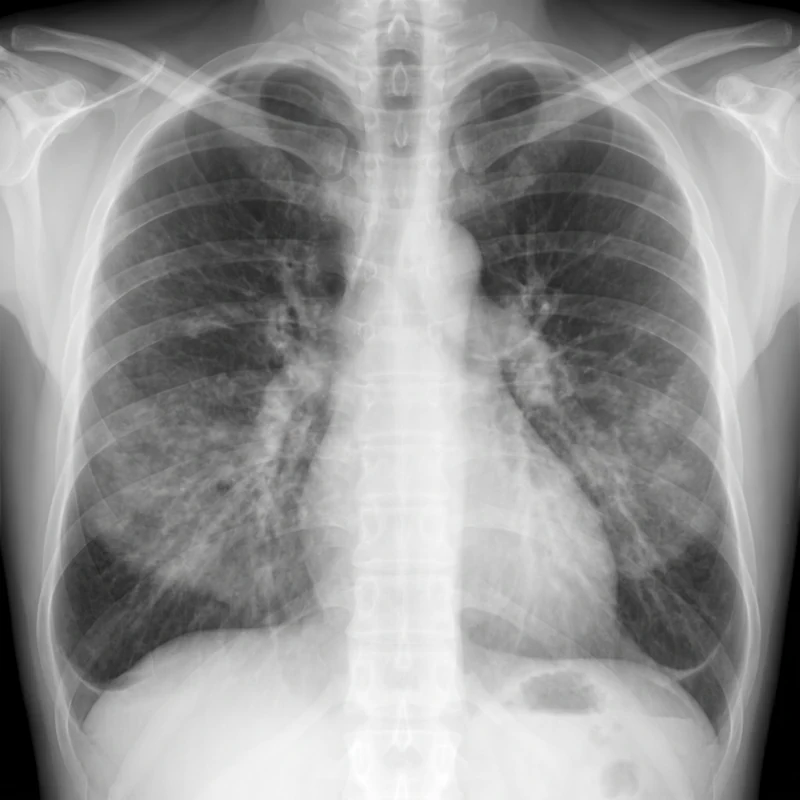
X-ray · chest view
Read a projection image and consider what you need to ask next.
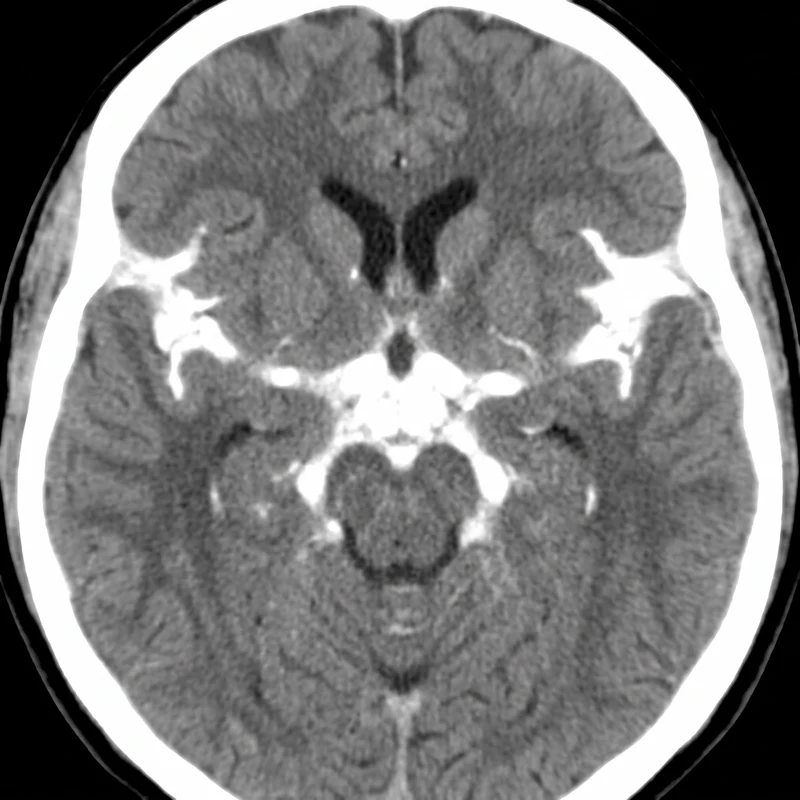
CT · selected slice
Look at a cross-section, then put it in the context of the history and report.
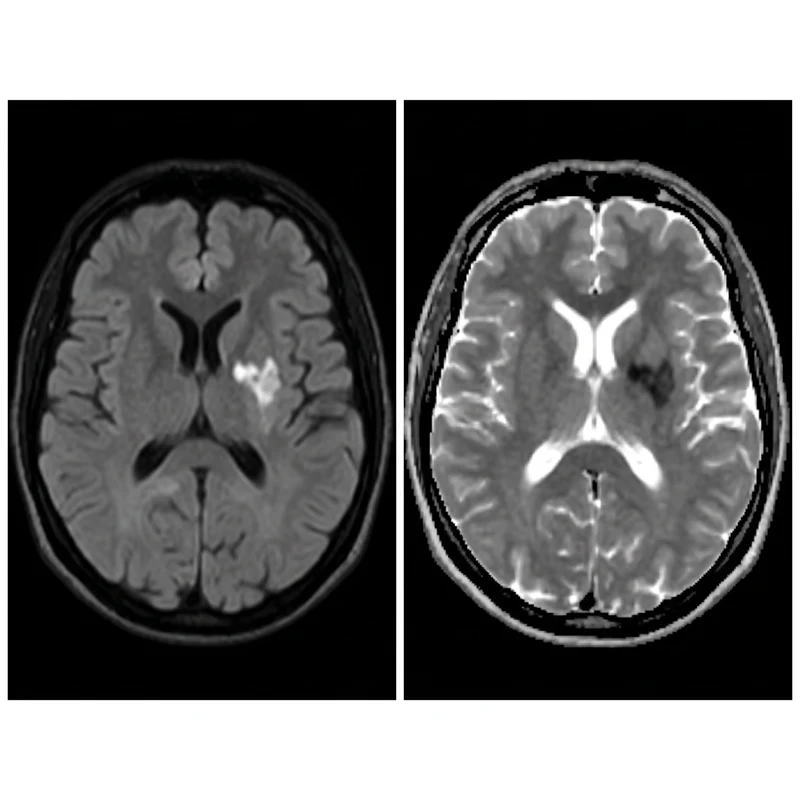
MRI · selected slices
Explore the two prepared teaching panels together.
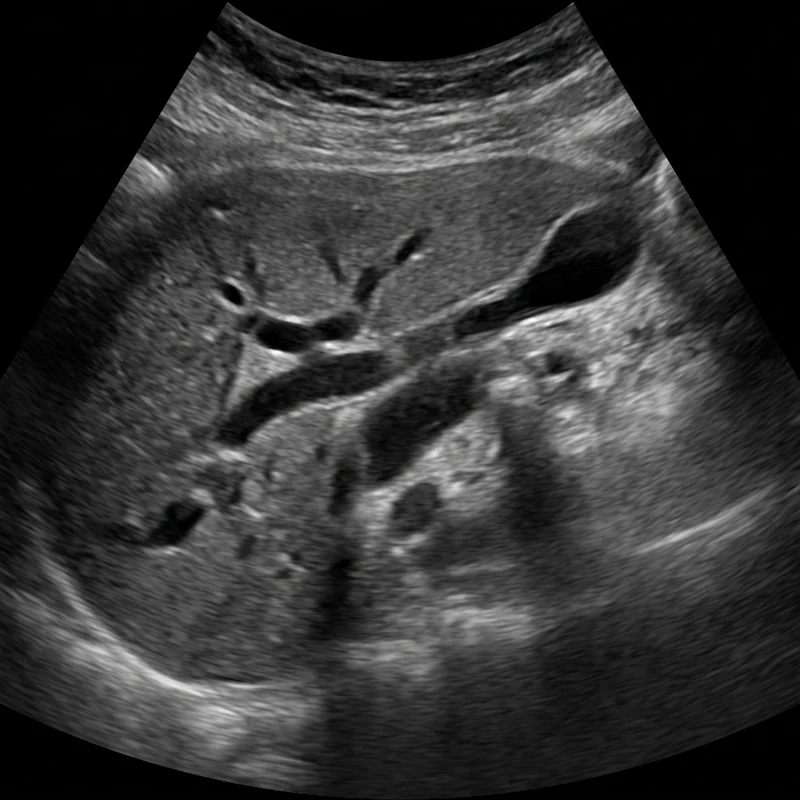
Ultrasound · still image
Explore a B-mode teaching image and the questions it raises.
Train across clinical contexts.
Nine clinical case types to help you revisit familiar topics and rehearse less familiar situations.
Anaesthesia
Emergency medicine
Intensive care
Internal medicine
Cardiology
Neurology
Surgery
Trauma
Obstetrics / Gynaecology
For the next stage of your clinical learning.
Medical students
Connect what you learn to the questions you would ask in a case.
Resident doctors
Rehearse your reasoning and review decisions alongside supervised training.
Practising clinicians
Return to unfamiliar scenarios and make room for deliberate reflection.
MDnexa Simulator
Trainingsverloop
De theorie kennen is één ding. Die toepassen is iets anders.
01
Een plek om de volgende stap te oefenen.
Lees de patiëntpresentatie en de bevindingen bij de casus.
Patiëntpresentatie
Bevindingen
Klinische context
02
Kies je acties
Typ je volgende vraag of handeling in vrije tekst. Volg nieuwe informatie en doorloop je beslissingen.
Vrije tekst
Vervolgbevindingen→Volgende beslissing↻
03
Bespreek de casus
Rond de casus af en bekijk de nabespreking, je redenering en alternatieven. Gebruik betrouwbare bronnen voor wat je gemist hebt.
✓Je beslissingen
✓Redenen en alternatieven
✓Landelijke richtlijnen
Huidige simulator: casussen met vrije tekst. De meerkeuze-, ECG- en beeldvoorbeelden op deze pagina zijn afzonderlijke onderwijsdemonstraties.
Keep studying. Add active case practice.
MDnexa complements textbooks, teaching and supervised clinical experience. It does not replace any of them.
Keep studying. Add active case practice.
Learning task
Studying and teaching
Add MDnexa case practice
Build knowledge
Read, discuss and understand the evidence.
↗ Apply that knowledge in a fictional case.
Make decisions
Work through explanations and worked examples.
↗ Choose your next question or action.
Review reasoning
Use teachers, peers and trusted references.
↗ Review the case debrief and your recorded decisions.
Develop in practice
Learn with supervision and real clinical responsibility.
↗ Rehearse separately, with no real patient involved.
Make room for a daily rehearsal.
Set aside 10–15 minutes for your next practice session. A complete case may take longer.
1
Open a case
Pick a context you want to practise.
2
Make your reasoning visible
Ask, choose and reflect rather than only rereading.
3
Take one point forward
Review the debrief; return to what you missed.
See what you would like to work on next.
Completed cases and debrief ratings give you something concrete to return to. Choose one point to improve, then carry it into your next case.
What did I miss, and why?
Which next step can I explain more clearly?
What will I practise differently in the next case?
Build a more deliberate practice habit
Reflect 1Reflect 2Reflect 3
Confidence (self-rated)Uncertainty (self-rated)
Illustrative learning journey, not measured results.
A few useful answers before you start.
What do I actually practise?
Asking questions, working through a case and choosing your next step. Use the debrief to revisit your reasoning, not just the final answer.
How can I review my practice?
Return to completed cases and debrief ratings. Compare your decisions with the feedback, pick one learning point and make it the focus of another session.
Where do I start?
Choose your language and country, then select the training button to set up your case. Make room for 10–15 minutes; a full case may take longer.
Vertrouwd door artsen in Duitsland, Italië, Griekenland, Brazilië en Cyprus
Feedback on MDnexa
"De overgang van leerboeken naar de praktijk is een uitdaging, vooral wanneer het vinden van specifieke regionale richtlijnen moeilijk en tijdrovend is. In een drukke klinische omgeving heb je vaak geen tijd om protocollen te zoeken die passen bij een patiënt met een complexe voorgeschiedenis.
Deze app overbrugt dat gat door lokale richtlijnen binnen enkele seconden toegankelijk te maken. Het dient als een zeer efficiënt hulpmiddel om mijn klinische beslissingen te verifiëren aan de hand van relevante protocollen die zijn afgestemd op het profiel van de patiënt. Het is zowel een essentiële tijdsbesparing als een geweldige educatieve bron voor elke arts aan het begin van zijn carrière."
Alina BronnikovaMD, Kinder- en jeugdpsychiatrieCyprus
"Tijdens mijn diensten als orthopedisch en traumachirurg heb ik regelmatig te maken met acute situaties die snelle besluitvorming vereisen. MDnexa is een onschatbaar hulpmiddel gebleken voor snelle toegang tot en verificatie van complexe diagnostische criteria, traumaprotocollen en de juiste medicijndoseringen - allemaal op een zeer gestructureerde en gemakkelijk leesbare manier geformatteerd. Het verlicht mijn cognitieve belasting aanzienlijk, vooral tijdens nachtdiensten onder hoge druk. Echt een gamechanger voor spoedeisende en acute zorg."
DGDesislava GergovaMD, Orthopedie en TraumachirurgieDuitsland
Your next patient should not be your first rehearsal.
Make clinical case practice part of your learning. Fictional patients. Space to think. A reason to return.


 Alina Bronnikova