A 68-year-old man is alert and speaking in full sentences. His pulse is irregular, 156–172/min; blood pressure 110/72 mmHg.
Authored history
Palpitations were noticed six hours ago, but exercise tolerance has been worse for two weeks. The last documented sinus rhythm was three months ago. The true rhythm onset is uncertain.
Write your next question. Then compare it with the prepared history.
You have studied it. Now put it into practice.
A familiar page can feel very different from an unfamiliar patient. Under pressure, where do you start? Practise making your reasoning explicit, without making a real patient your practice case.
From recognising an answer to choosing a next step.
From isolated facts to a whole evolving case.
From moving on after a mistake to reviewing why it happened.
02 / Multiple-choice reasoning
A different case. One decision to examine.
Postoperative case: a 64-year-old man develops breathlessness 12 days after abdominal surgery.
These teaching examples use UK NICE sources. Independent clinical review is pending.
Fixed teaching explanation, not advice for a real patient. Contraindications or imaging delays change the pathway. No treatment or dose is determined here.
Read the information. Keep the bigger picture.
Practise connecting the history, examination and investigations. Explore four types of prepared teaching imagery, alongside a real recorded ECG.
STEMI recognition · 12-lead ECG
Recorded acute inferolateral infarction reference. Compare all twelve leads, zoom for detail and replay lead II.
STEMI recognition teaching example. Independent clinical morphology review is pending.
PTB-XL 1.0.3 · 500 Hz · 10 s · 25 mm/s · 10 mm/mV · PhysioNet · CC BY 4.0
Synthetic teaching examples
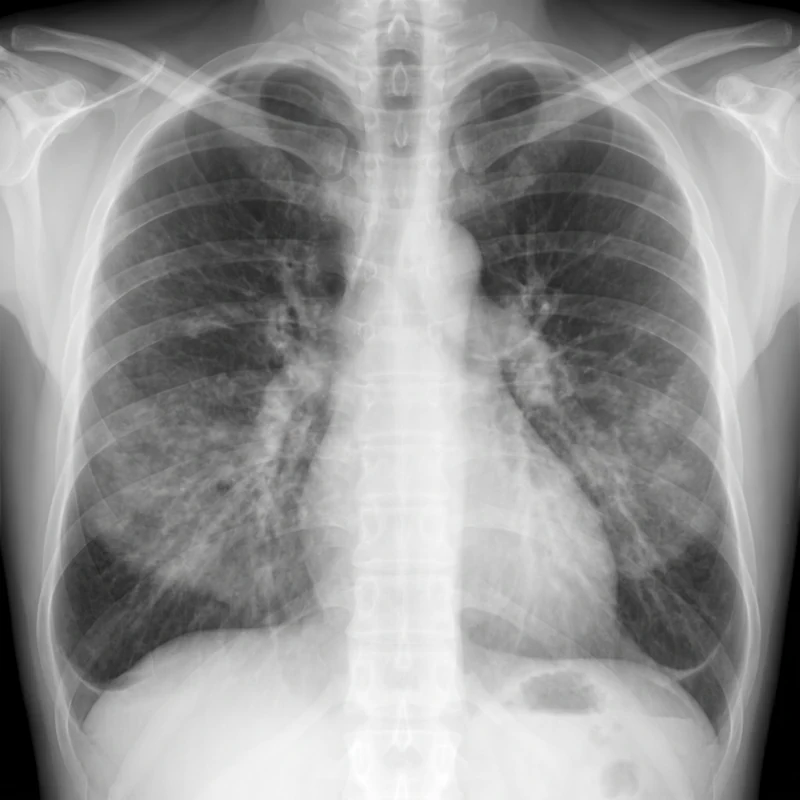
X-ray · chest view
Read a projection image and consider what you need to ask next.
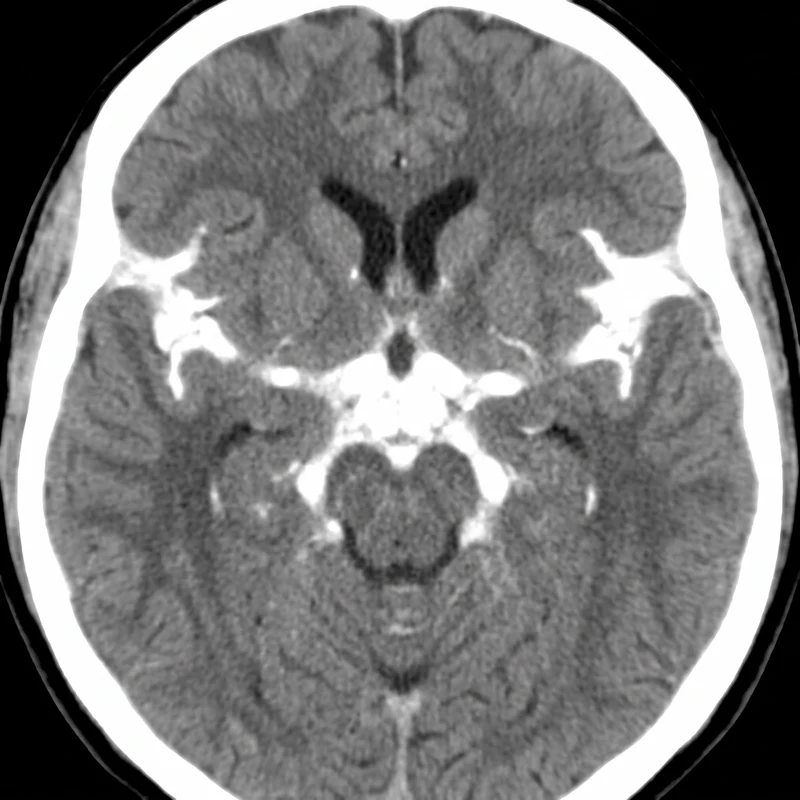
CT · selected slice
Look at a cross-section, then put it in the context of the history and report.
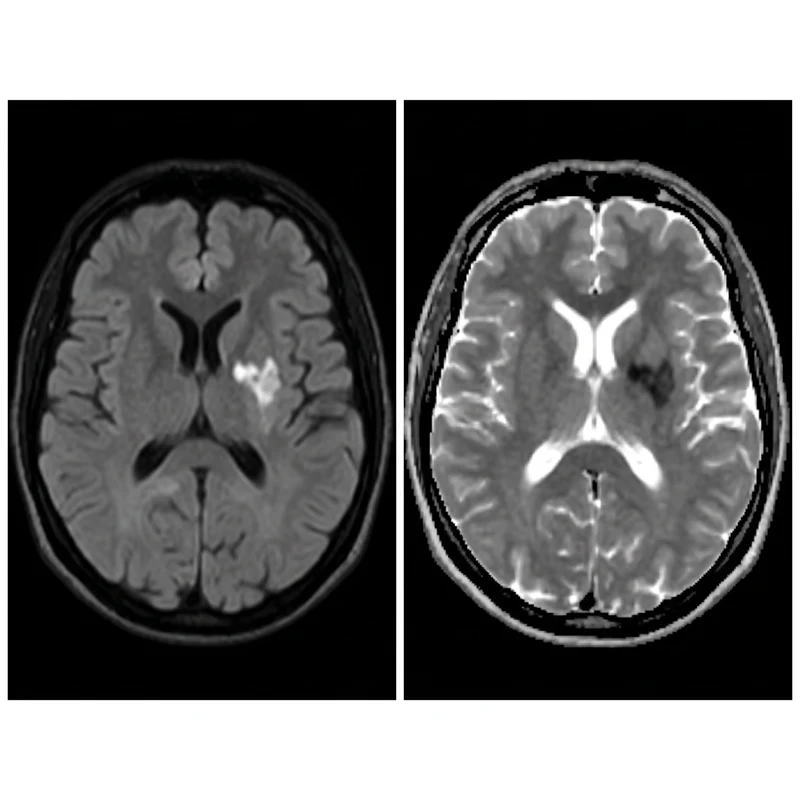
MRI · selected slices
Explore the two prepared teaching panels together.
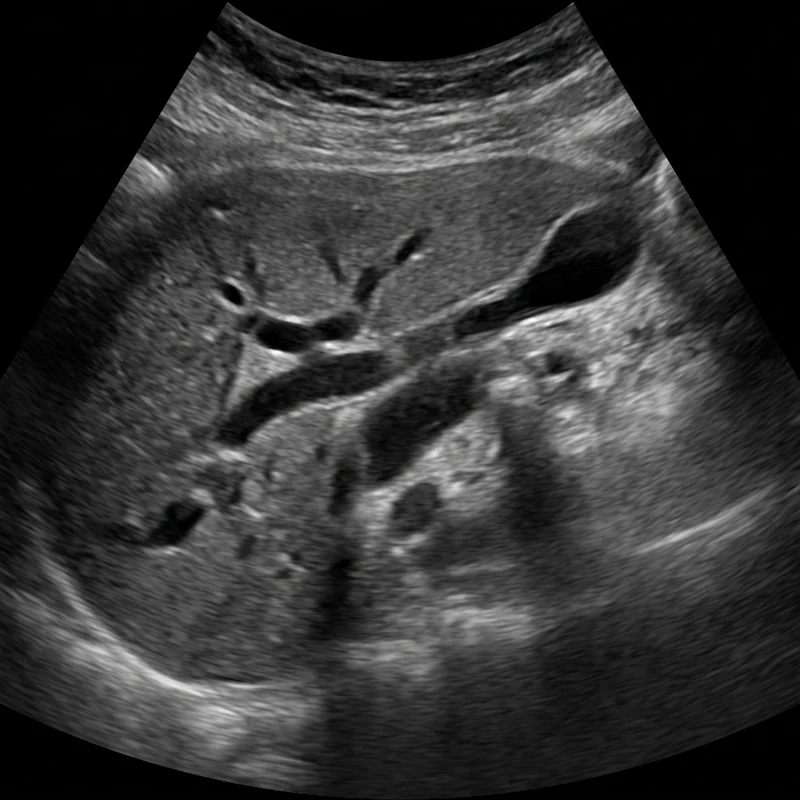
Ultrasound · still image
Explore a B-mode teaching image and the questions it raises.
Train across clinical contexts.
Nine clinical case types to help you revisit familiar topics and rehearse less familiar situations.
Anaesthesia
Emergency medicine
Intensive care
Internal medicine
Cardiology
Neurology
Surgery
Trauma
Obstetrics / Gynaecology
For the next stage of your clinical learning.
Medical students
Connect what you learn to the questions you would ask in a case.
Resident doctors
Rehearse your reasoning and review decisions alongside supervised training.
Practising clinicians
Return to unfamiliar scenarios and make room for deliberate reflection.
MDnexa Simulator
Proceso de formación
Conocer la teoría es una cosa. Aplicarla es otra.
01
Un espacio para practicar el siguiente paso.
Lee la presentación del paciente y los hallazgos aportados en el caso.
Presentación del paciente
Hallazgos
Contexto clínico
02
Elige tus acciones
Escribe la siguiente pregunta o acción en texto libre. Sigue la nueva información y trabaja tus decisiones.
Texto libre
Nuevos hallazgos→Siguiente decisión↻
03
Revisa el caso
Finaliza el caso y revisa el análisis, tus razones y alternativas. Consulta fuentes fiables para repasar lo que pasaste por alto.
✓Tus decisiones
✓Razones y alternativas
✓Guías del país
Simulador actual: casos de texto libre. Los ejemplos de opción múltiple, ECG e imágenes de esta página son demostraciones didácticas independientes.
Keep studying. Add active case practice.
MDnexa complements textbooks, teaching and supervised clinical experience. It does not replace any of them.
Keep studying. Add active case practice.
Learning task
Studying and teaching
Add MDnexa case practice
Build knowledge
Read, discuss and understand the evidence.
↗ Apply that knowledge in a fictional case.
Make decisions
Work through explanations and worked examples.
↗ Choose your next question or action.
Review reasoning
Use teachers, peers and trusted references.
↗ Review the case debrief and your recorded decisions.
Develop in practice
Learn with supervision and real clinical responsibility.
↗ Rehearse separately, with no real patient involved.
Make room for a daily rehearsal.
Set aside 10–15 minutes for your next practice session. A complete case may take longer.
1
Open a case
Pick a context you want to practise.
2
Make your reasoning visible
Ask, choose and reflect rather than only rereading.
3
Take one point forward
Review the debrief; return to what you missed.
See what you would like to work on next.
Completed cases and debrief ratings give you something concrete to return to. Choose one point to improve, then carry it into your next case.
What did I miss, and why?
Which next step can I explain more clearly?
What will I practise differently in the next case?
Build a more deliberate practice habit
Reflect 1Reflect 2Reflect 3
Confidence (self-rated)Uncertainty (self-rated)
Illustrative learning journey, not measured results.
A few useful answers before you start.
What do I actually practise?
Asking questions, working through a case and choosing your next step. Use the debrief to revisit your reasoning, not just the final answer.
How can I review my practice?
Return to completed cases and debrief ratings. Compare your decisions with the feedback, pick one learning point and make it the focus of another session.
Where do I start?
Choose your language and country, then select the training button to set up your case. Make room for 10–15 minutes; a full case may take longer.
La confianza de médicos en Alemania, Italia, Grecia, Brasil y Chipre
Feedback on MDnexa
"La transición de los libros de texto a la práctica real es un desafío, especialmente cuando encontrar guías regionales específicas es difícil y requiere mucho tiempo. En un entorno clínico ajetreado, a menudo no tienes tiempo para buscar protocolos que se ajusten a un paciente con una historia compleja.
Esta aplicación cierra esa brecha al hacer accesibles las guías locales en segundos. Sirve como una herramienta altamente eficiente para verificar mis decisiones clínicas en comparación con los protocolos relevantes adaptados al perfil del paciente. Es un ahorro de tiempo esencial y un gran recurso educativo para cualquier médico que inicie su carrera."
Alina BronnikovaMD, Psiquiatría Infantil y de la AdolescenciaChipre
"Especialmente bajo la presión del tiempo, esta aplicación es una herramienta importante para nosotros, los principiantes, para comparar nuestra evaluación clínica con las guías regionales. No reemplaza nuestro pensamiento crítico, pero sirve como un valioso apoyo en la aplicación dependiente de la situación. Una clara recomendación como salvaguardia y guía adicional en la práctica diaria."
DGDesislava GergovaMD, Ortopedia y TraumatologíaAlemania
Your next patient should not be your first rehearsal.
Make clinical case practice part of your learning. Fictional patients. Space to think. A reason to return.


 Alina Bronnikova